

Similar Posts
Lokta Paper | Nepali Paper
We have been making paper for centuries. Prior to paper being invented in China in around 100AD, we used to use stones, tree barks or parchments or solid wooden objects for communication by scribing on them and transporting them. Han Dynasty of China has been accredited to have invented paper in around 200BC to 200AD. The Licchavi Dynasty, which ruled Nepal during 400-750 AD, could be one of the earliest adopters of paper making from the Chinese – handmade Lokta paper being found from Licchavi era.
As a kid, many of us may have seen how paper is made. The process is actually simple, comprising of dissolving the paper pulp and evenly distributing it as a layer and letting it dry. Traditionally, paper is made out of pulp from fibre collected from different plants. Based on what plant is found a particular locality, the process and texture of paper making slightly differ. In Nepal, paper is made out of the inner bark of a shrub /bush called Lokta (scientific name Danphe panachea) found abundantly in some 20 hilly districts in Nepal covering around 1 million sq meters.
Lokta Paper, also known as Nepali Kagaj (paper), has been the only kind of paper produced and found in Nepal till the 20th century. In late 20th century, however, the market was flooded with cheaper paper from China and India, which nearly proved terminal to the local paper making industry and affecting the livelihood of the villagers directly.
Jute Products in Nepal: A Sustainable Tradition Weaving a Green Future
Introduction: Nepal, a country nestled in the Himalayas, has a rich cultural tapestry woven with…
Handicrafts in Nepal | Nepalese Handicrafts
Handicrafts In Nepal | Nepalese Handicrafts
Strolling around the temples and the ancient palaces of Kathmandu valley, during dusk is one of my favorite habits. It’s not just that these places radiate a sense of serenity but the neighborhood filled with the antique shop full of Nepalese handicrafts and the temples with fabulous wood carving make my time worthwhile.

Handicrafts in Nepal is believed to have started since the Licchavi period (300-879 AD) though the official account of first handicraft is not available. But the classical period of Nepal (13th to 18th century) ruled by Malla dynasty helped, extensively in the enrichment of quality, authenticity, and originality of the Nepalese handicrafts.
Reasons to buy handmade items
Reasons To Buy HandMade Items In this era of mediocrity, handmade items still reflects natural…
MetalCraft in Nepal – How they are made
Before making the copper, bronze (with gold or silver plated) metal Crafts, first all the…
Earnings from Handicraft Rises by 19 Percentage

Export earnings from handmade products surged 19 percent in the first four months of the current fiscal year, thanks to sustained demand from markets like China, the US and Europe. Nepal’s handicraft industry is on the recovery path after suffering a massive hit from the earthquake and trade blockade last year. Statistics released by the Federation of Handicraft Associations of Nepal (Fhan) show that Nepal exported handmade products worth Rs1.98 billion during the period mid-July to mid-November Shipments amounted to Rs1.67 billion in the same period last year.

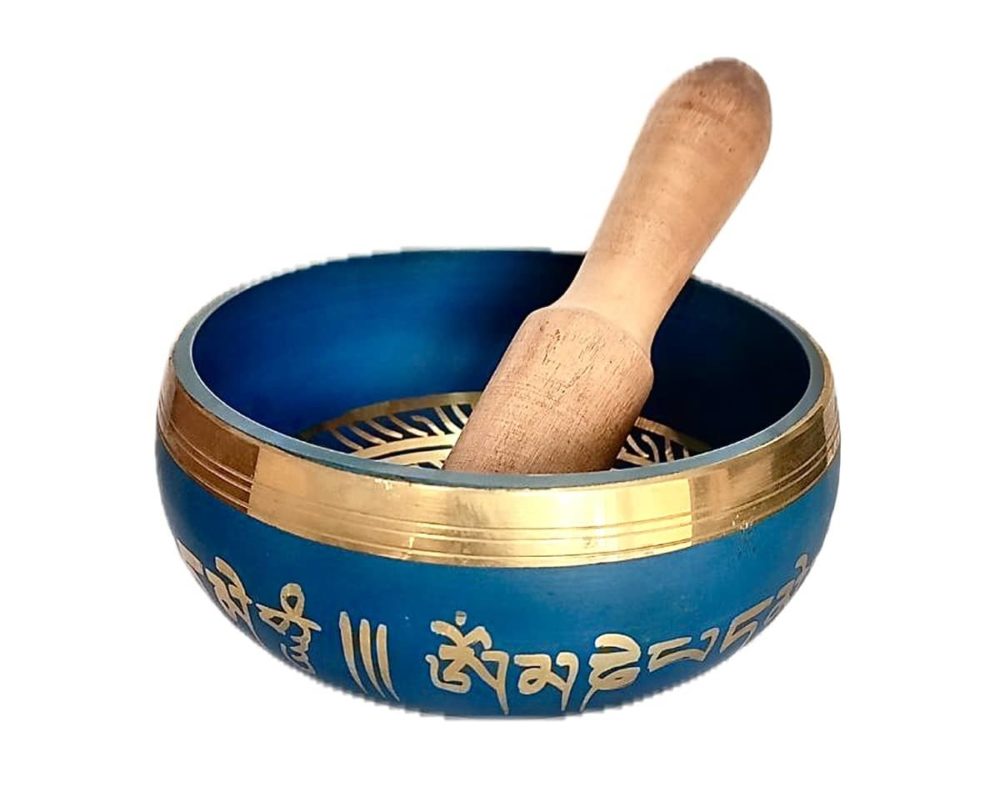
Eternal Knot Etched Singing Bowl